Upgrade what works, fix what limits production
Not every underperforming farm needs to be torn down. iHavos upgrades existing greenhouses — assessing what is worth keeping, fixing the bottlenecks and improving production step by step.
We work with farms that are operating below potential or temporarily idle, covering site assessment, retrofit design, equipment upgrade, automation and production optimisation.
What We Solve
Yield swings, uneven crops, inconsistent quality and product loss. We analyse climate, fertigation, workflows and technical execution, then build a more standardised production system.
Upgrade irrigation and fertilization around water quality, crop demand and substrate conditions; optimise recipes, frequency and supply flow to reduce manual variation.
Assess fans, wet curtains, irrigation and electrical controls; upgrade the critical equipment and control modules first, rather than replacing everything.
Add right-sized sensors, automatic control and remote monitoring for EC, pH, temperature, humidity and irrigation, so production decisions have a data basis.
Services
Assess structure, irrigation and fertigation, water source and quality, climate equipment, growing system and daily operations; define what to keep, repair, upgrade or replace.
Design or upgrade integrated fertigation, drip irrigation and necessary water treatment; optimise nutrient mixing, delivery and irrigation management.
Upgrade PLC, electrical cabinets, sensors and automation modules so irrigation, fertigation and climate move from scattered operation to system management.
Optimise substrate, planting density, water and nutrient strategy and operating procedures; establish standard cultivation and daily management practices.
Set up remote data viewing, key-parameter monitoring and exception alerts; optionally add production records, planning, harvest and sales coordination.
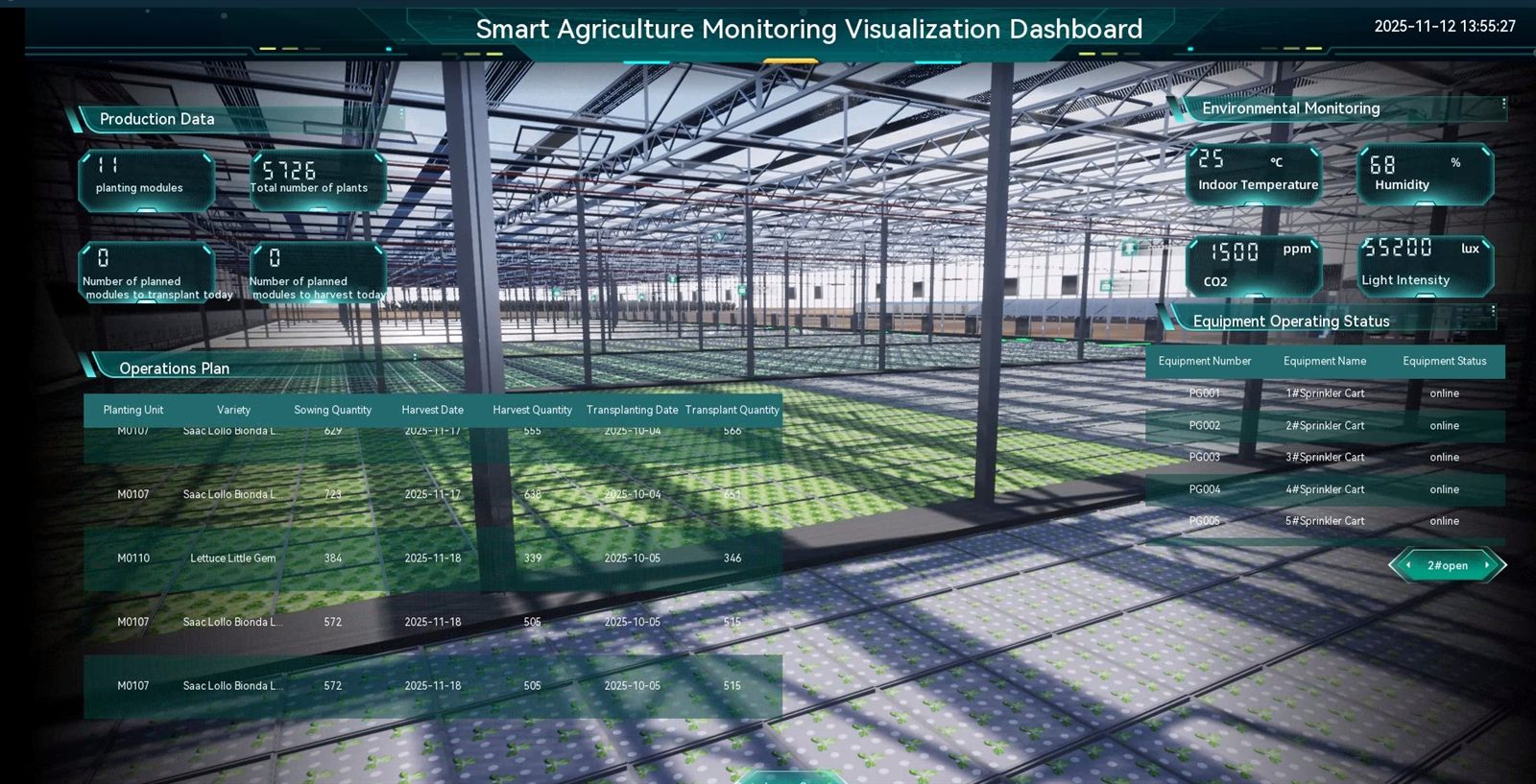
Every upgrade should be measurable in crop performance, quality and operating cost.
Method
Facilities, water, climate equipment, growing system and operating data.
Separate production constraints from symptoms; define priorities.
Reuse usable assets; target investment at the constraints that matter.
Upgrade critical modules first, then decide the next scope from results.
Check key parameters, crop growth, quality and operating data.
Connect equipment, people and management into a continuous improvement loop.
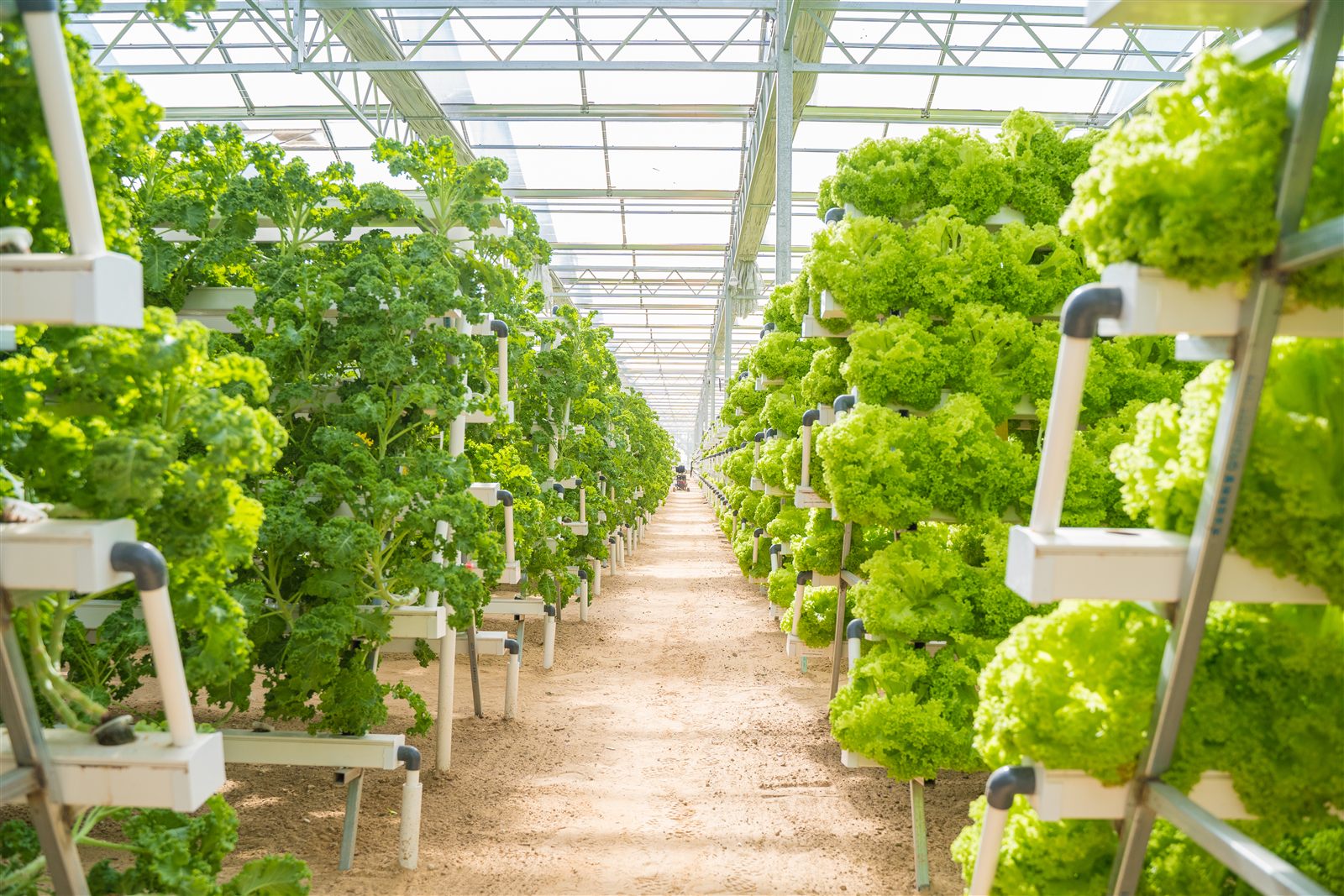
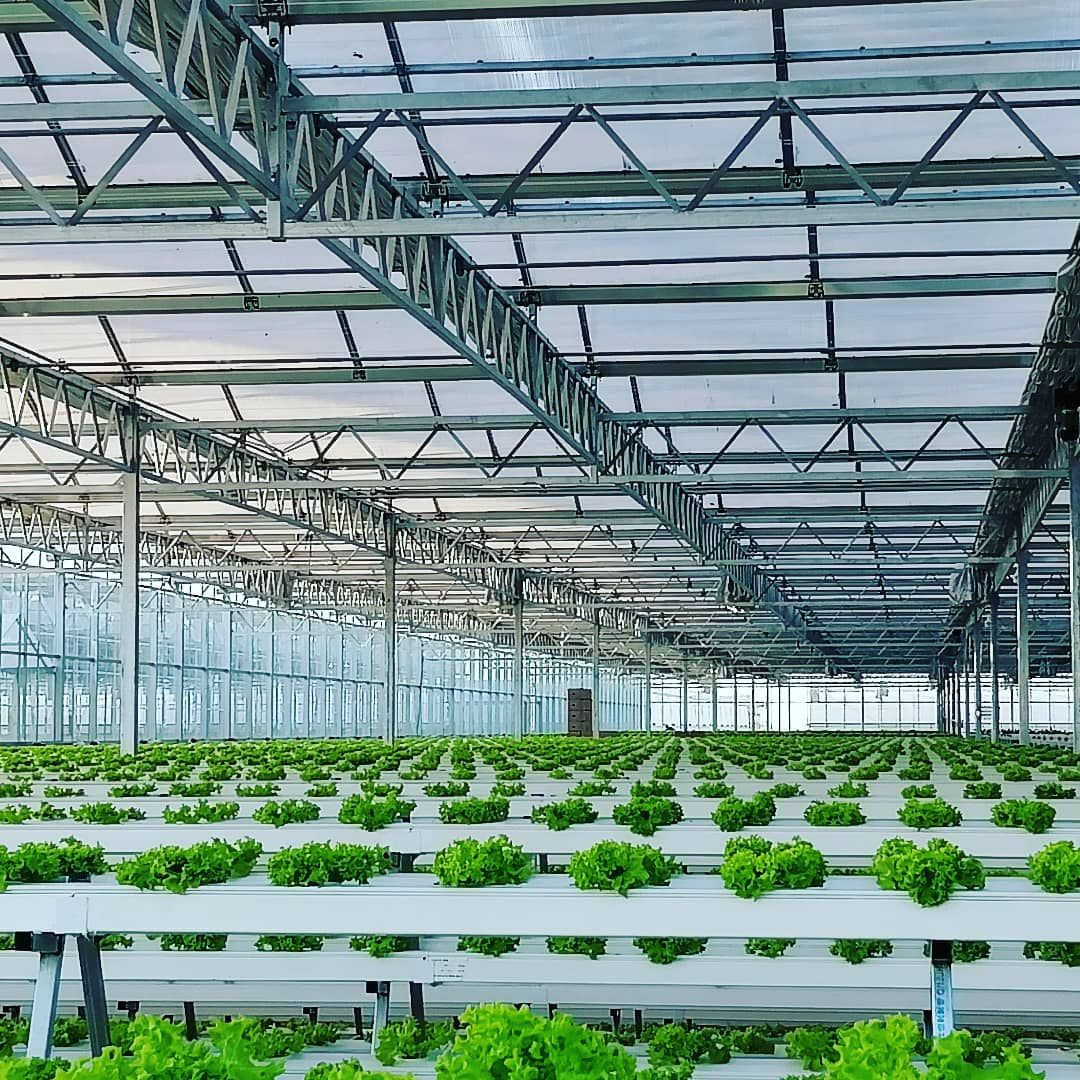
Cooperation
Assessment, retrofit design, equipment supply, integration, commissioning and training for owners who will operate the farm themselves.
Cultivation support, fertigation optimisation, standardised workflows, remote monitoring and operational management.
For farms with facilities in place, a Production Sharing Agreement can share production results according to an agreed scope and management role.
Start with a representative greenhouse or production unit, measure results against the existing operation, then agree the wider rollout.
Pilot First
For complex retrofits, we design a pilot on a representative greenhouse or production unit: upgrade the key water, nutrient and control modules, run it alongside the existing operation, and compare crop, input and output data under a defined protocol.
Once the pilot is validated, the same technical standard and management approach can be rolled out across the farm — making the relationship between investment and production return measurable and predictable.
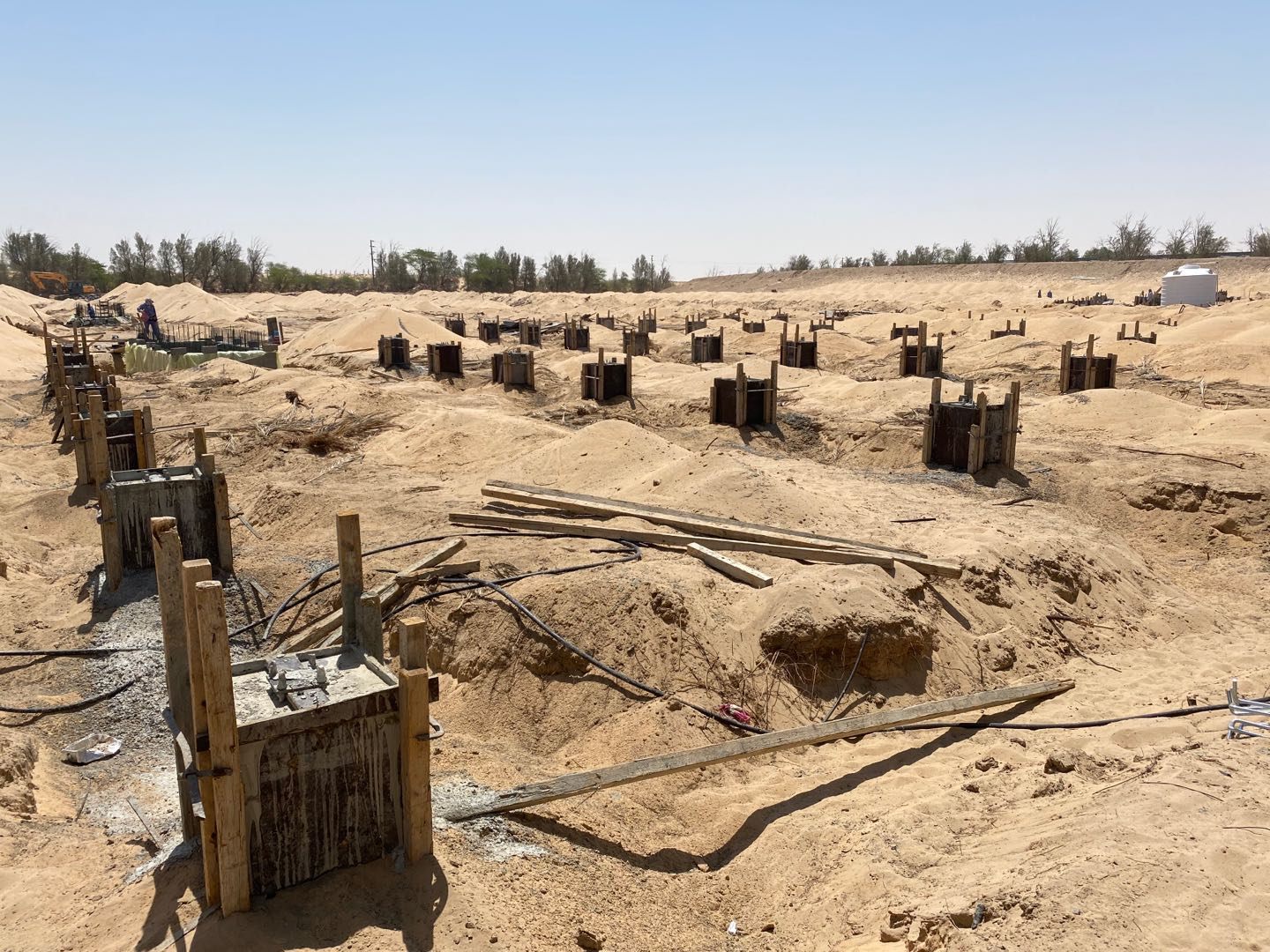
Tell us about your project in the CEA questionnaire — about 5 minutes, every field optional.
