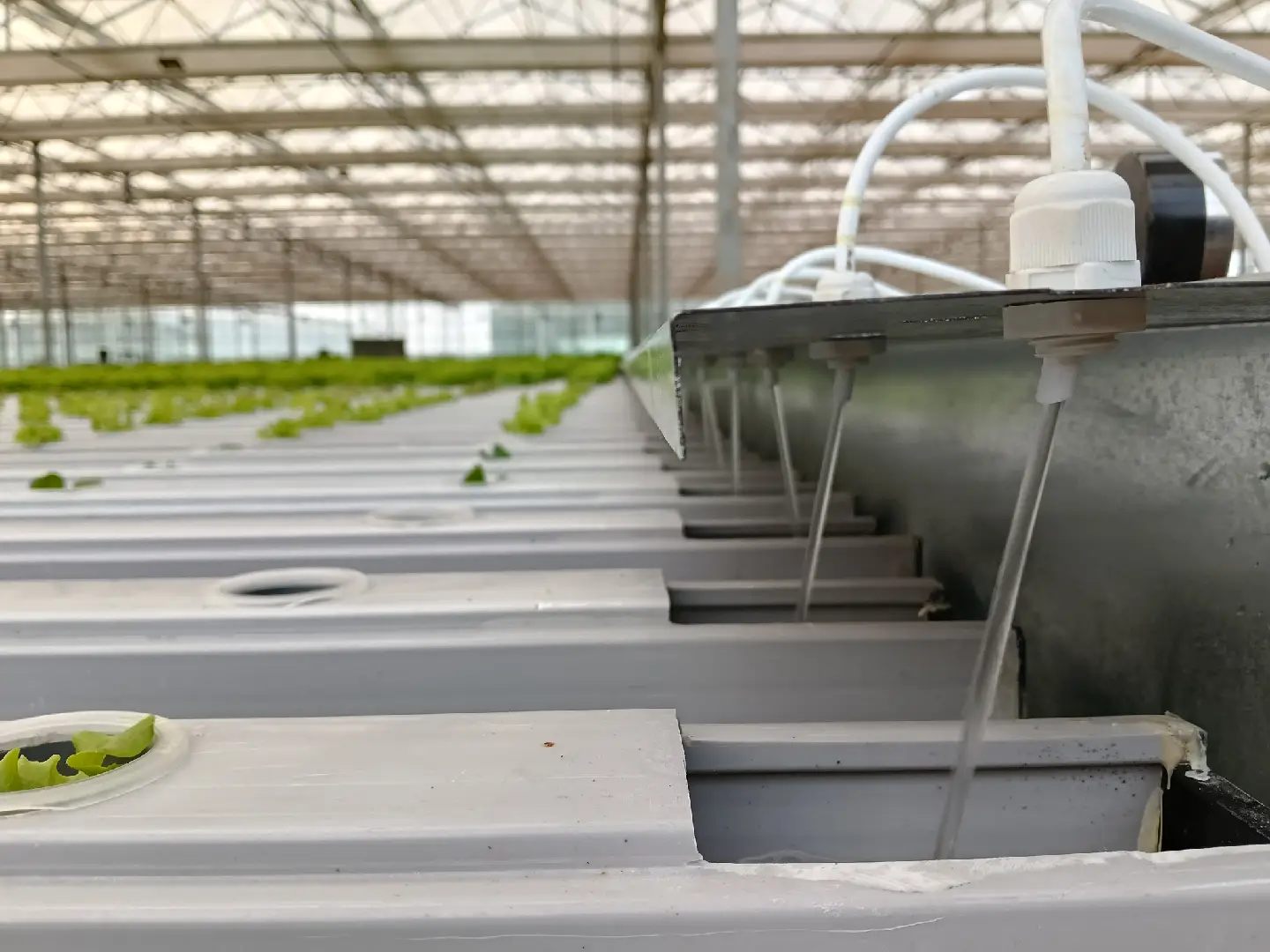
Industrial leafy-green production, standardised and repeatable
ACL is an automatic leafy-green growing system built on NFT shallow-flow technology. Motor-driven growing pipes move along tracks to open working aisles on demand — turning a greenhouse into a continuous, standardised production line.
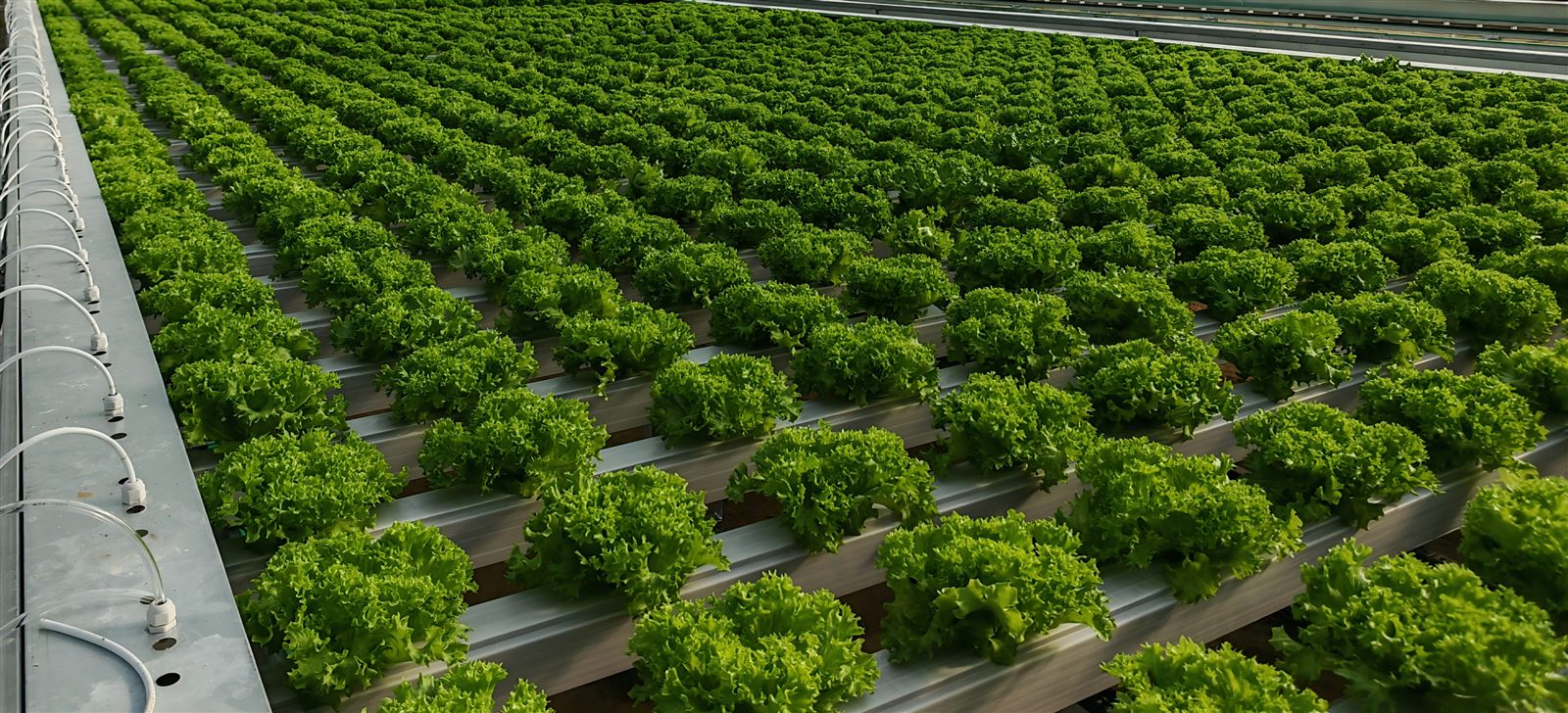
System Overview
Growing pipes move synchronously on tracks, creating a working aisle only where it is needed. Space utilisation can exceed 90%, compared with about 60% for a conventional NFT layout.
The closed nutrient loop dynamically controls EC, pH and dissolved oxygen, supporting sugar content, crispness and flavour. Physical enclosure separates the crop from external contamination, and the line connects directly to robotic transplanting, AI harvesting and automated logistics.
The pipes also provide thermal buffering, supporting safe operation from -30°C to 45°C. Energy consumption is about 40% lower than a conventional NFT system.
Why ACL
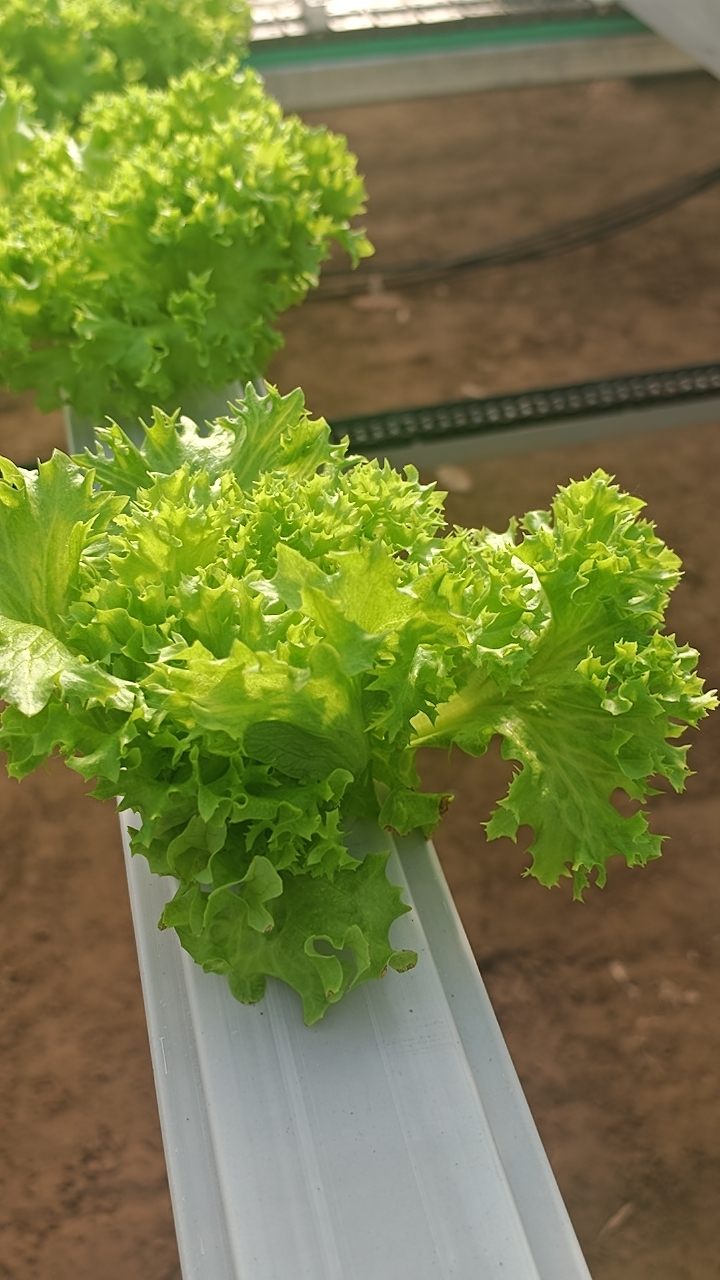
Intermittent shallow-flow supply (about a 1 cm film) and a small water body allow fast, precise nutrient adjustment. Dry matter can increase by 15–20% versus DFT, bringing flavour closer to high-quality soil-grown produce while keeping the texture crisp.
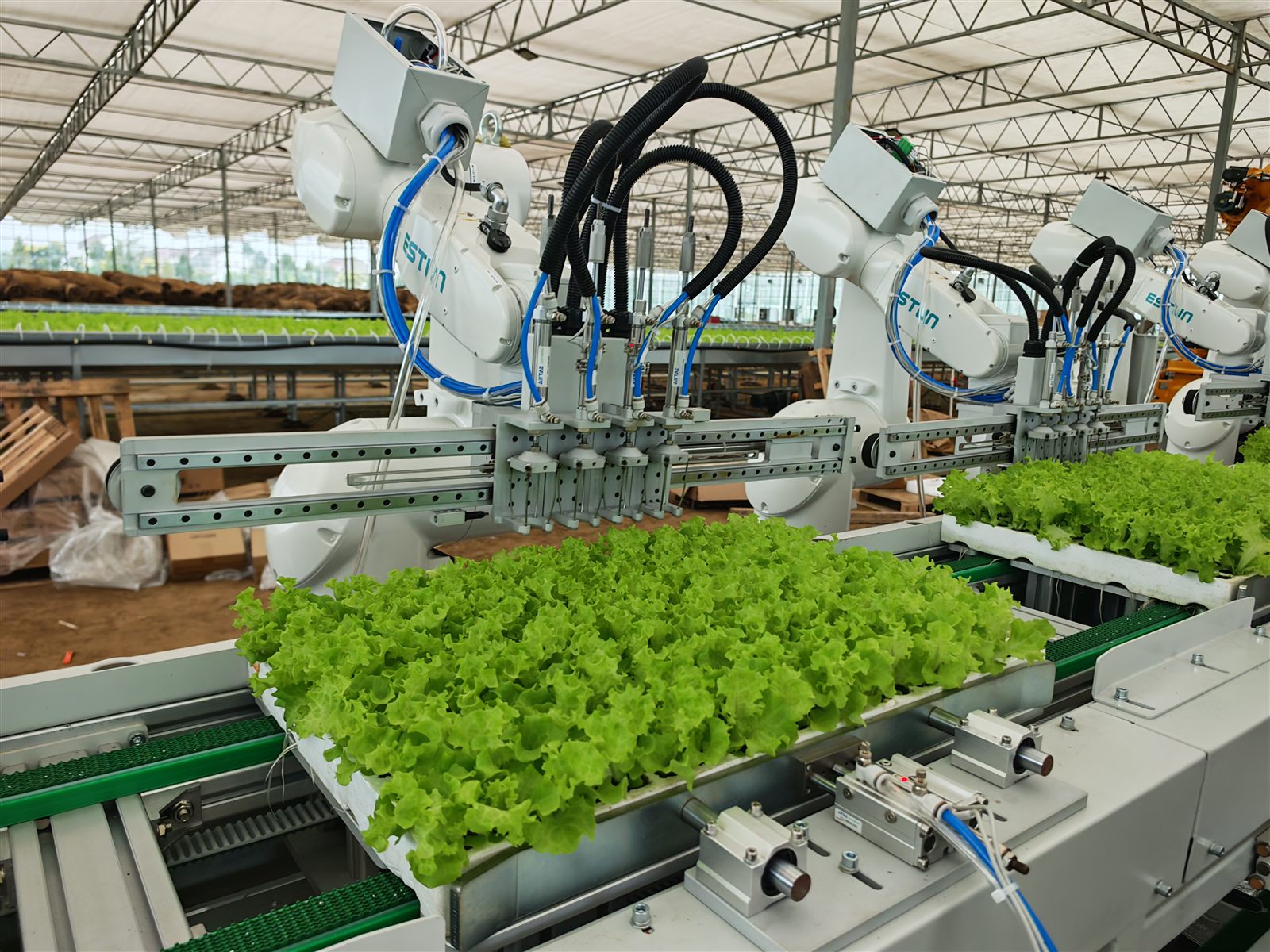
Seeding, transplanting, growing, harvesting and pipe cleaning are linked into one flow. Automation exceeds 90% in key steps; transplanting accuracy is about ±0.03 mm and labour dependence drops by around 90%.
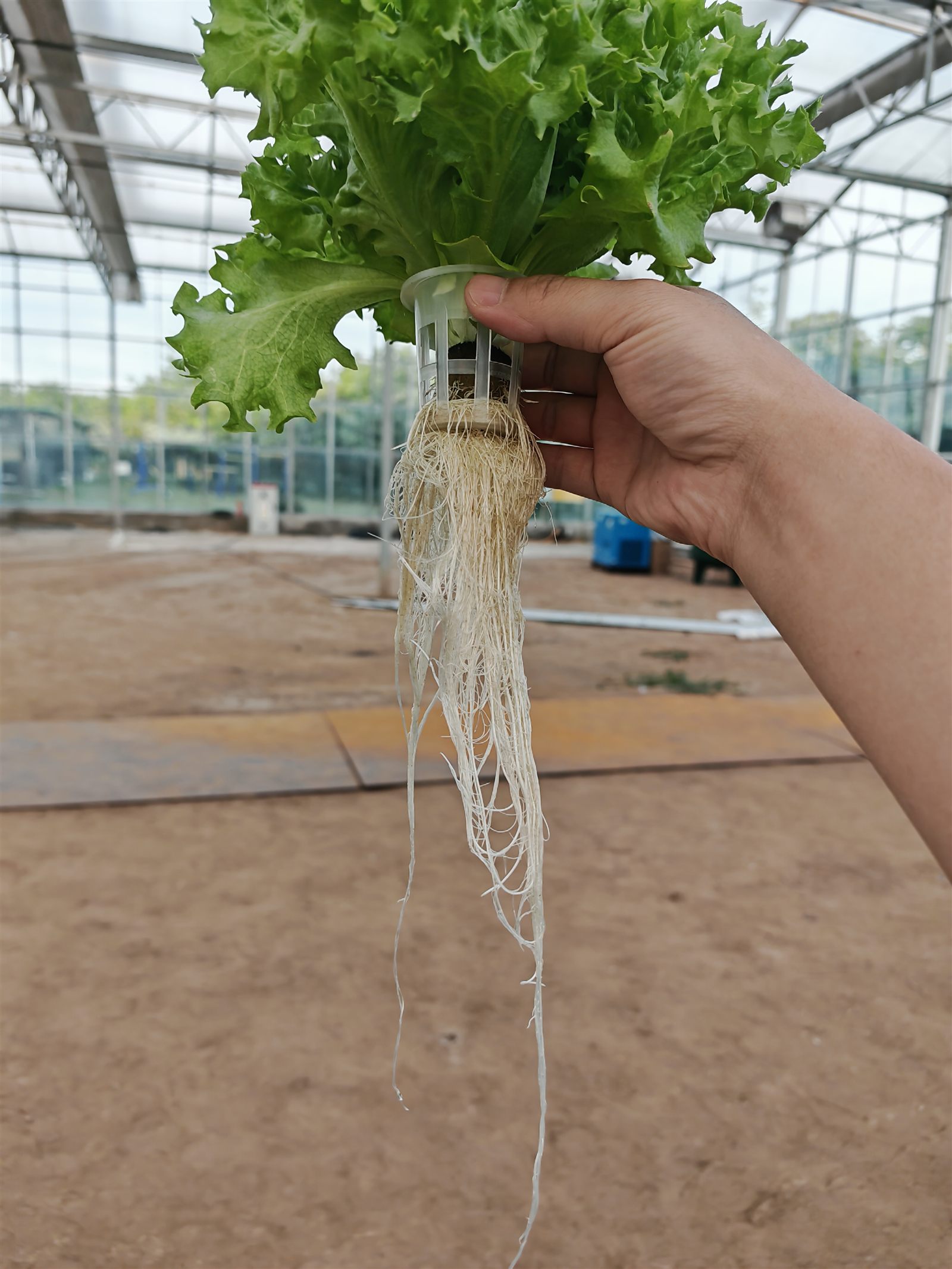
Small water volume and modular zone control make heating or cooling more targeted. In extreme climates, overall energy use can be 60–70% lower than DFT; in Middle East cooling tests, consumption was about one-third of DFT.
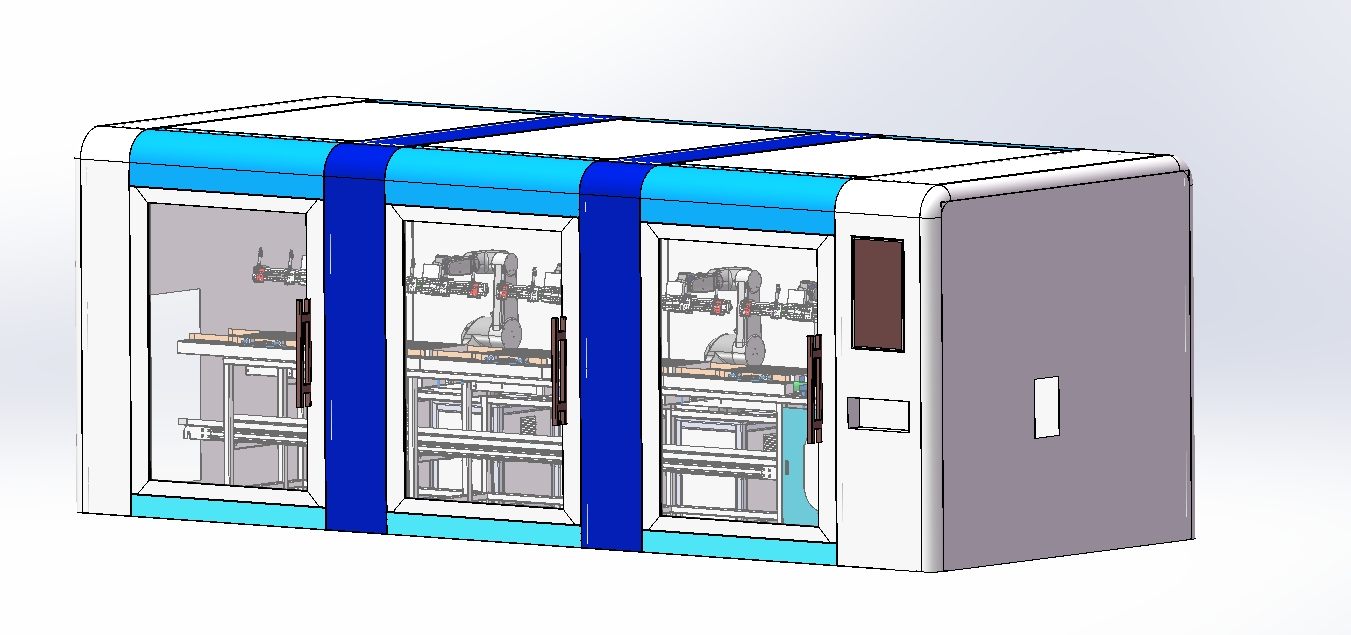
Water utilisation of at least 90% and fertilizer utilisation of at least 85%. A 21,120㎡ greenhouse can be operated with about 2 harvest staff, 1 production staff and 1–2 maintenance staff.
Seed to Clean
A precision seeder fills and sows nursery trays.
A robotic arm moves seedlings into the mobile growing troughs; about 13 seconds per 20 plants.
The closed nutrient loop and AI vision monitor crop status and adjust the environment.
A harvesting robot cuts and sorts mature plants; about one minute per 20 plants.
Troughs move to a cleaning station for high-pressure sanitisation; about one minute per pipe.
A central scheduling system links every step, supporting 24-hour continuous operation and reshaping the “plant–manage–harvest–clean” workflow as an industrial standard.
Planting Module
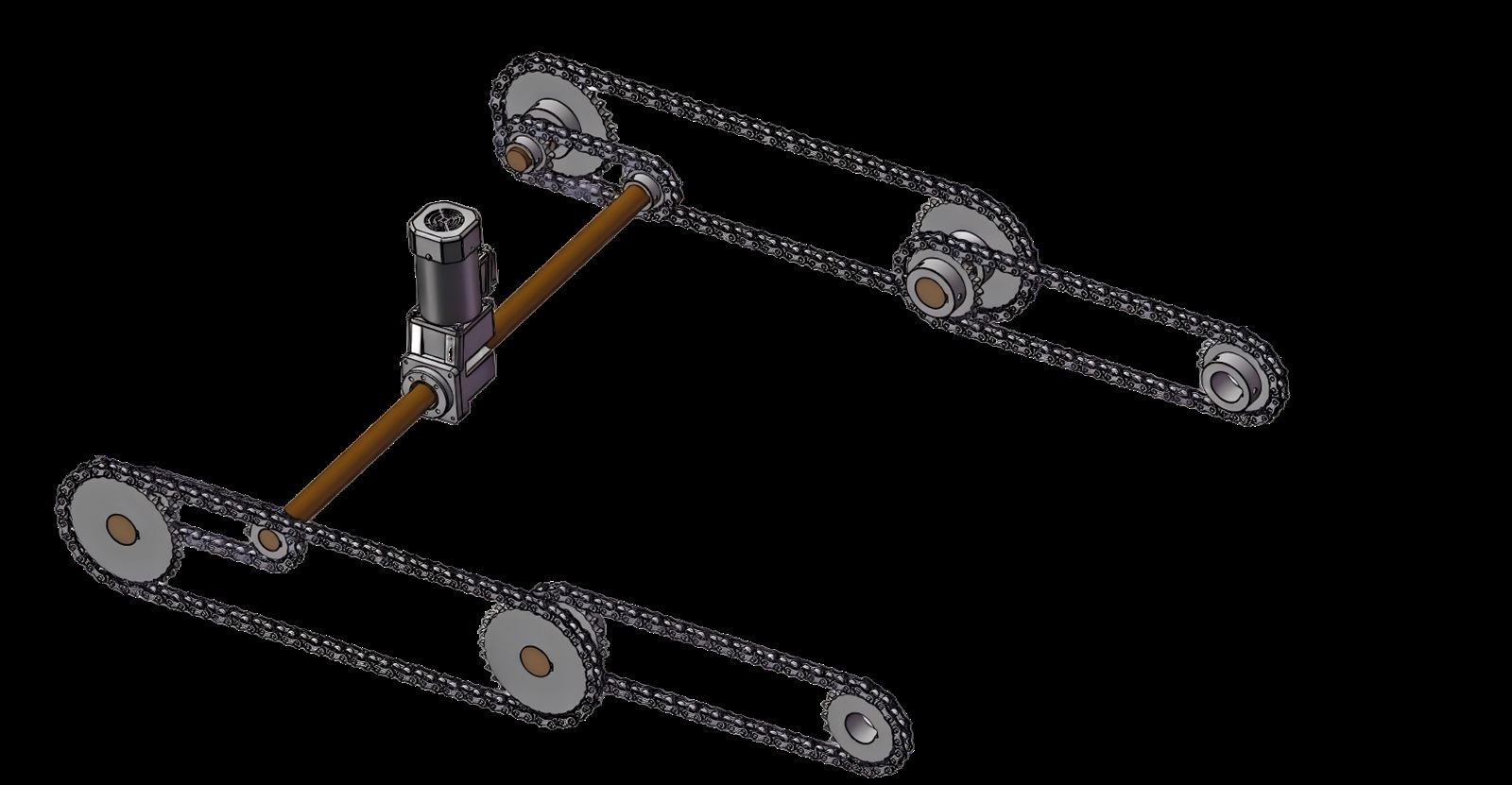
The planting module is built around rail-mounted growing tubes. A chain drive moves the tubes synchronously, while sensors and cylinders manage stopping, lifting and transfer at each station.
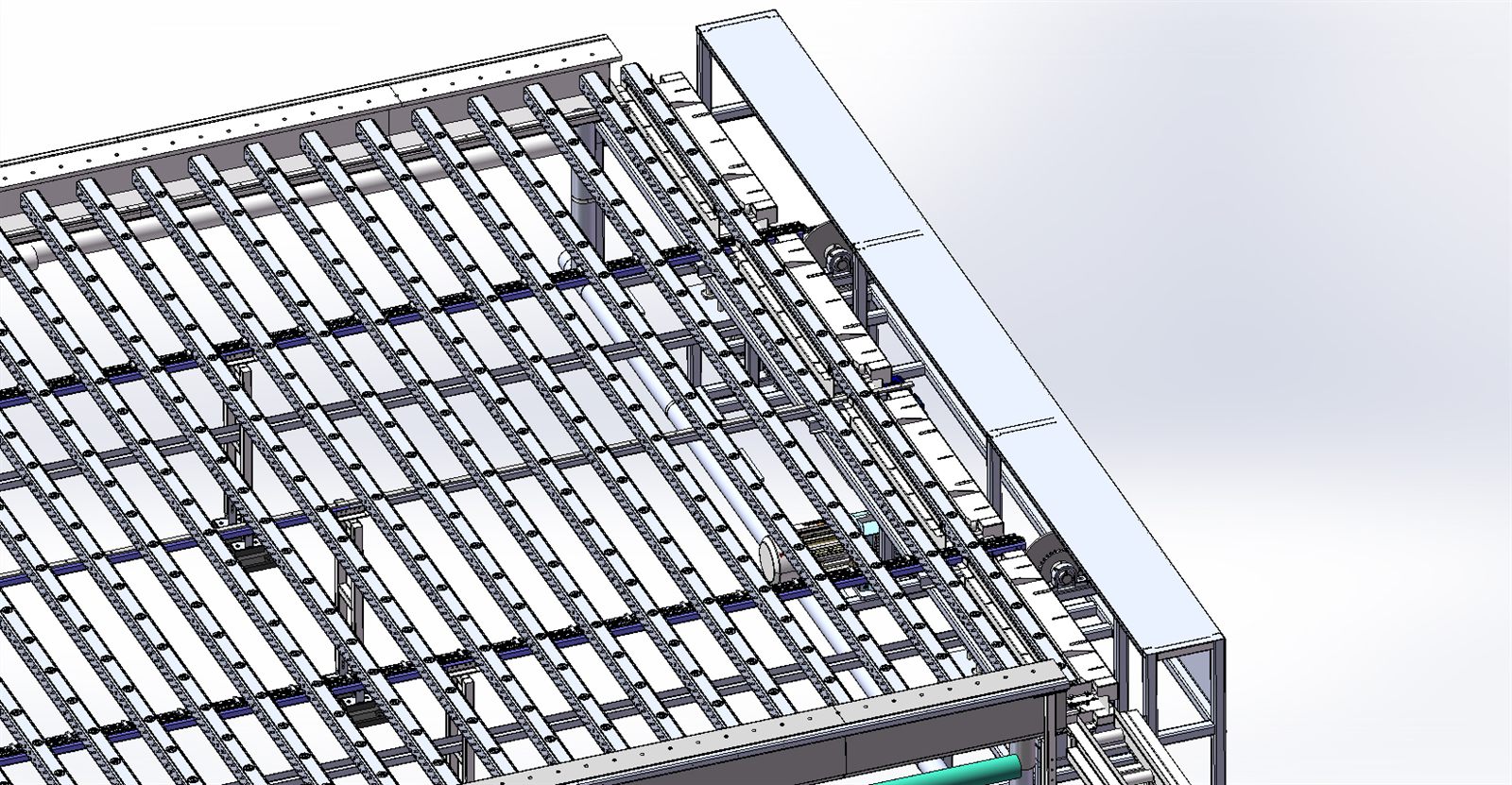
Nine nodes connect the line: tube stacking, transplanting (including planting-cup placement), loading rotary, module infeed conveyor, rack drive, module outfeed conveyor, unloading rotary, harvest platform and cleaning.
The layout separates water and fertilizer, transplanting, harvesting, high-density growing, low-density growing, a planting aisle and a harvest aisle, so equipment and people move without crossing the production flow.
Key Parameters
| Transplanting speed | 13 seconds for 20 plants |
| Pipe cleaning | About 1 minute per pipe |
| Harvesting | About 1 minute for 20 plants |
| Operation | 24-hour continuous planting |
| Labour (21,120㎡) | About 2 harvest, 1 production, 1–2 maintenance staff |
| Potential output | Up to 130 kg/㎡ |
| Water utilisation | At least 90% |
| Fertilizer utilisation | At least 85% |
Values are based on the current product document and design targets; final performance depends on crop, climate and configuration.
Comparison
| Dimension | ACL | Conventional DFT / NFT |
|---|---|---|
| Space utilisation | >90% | About 60% for NFT |
| Water / energy | Water use ≥90%; energy about 40% lower than NFT | Large water body; higher heating/cooling load |
| Flavour / dry matter | Dry matter +15–20%; crisp texture | Higher water content; flavour can be diluted |
| Labour | Automation >90%; labour -90% | Depends on manual transplanting and harvest |
| Climate range | -30°C to 45°C | Limited by large water-body temperature control |
Applications
ACL is aimed at commercial leafy-green production, ready-to-eat salad supply and projects in extreme climates. Lower water content and reduced juice loss after cutting support longer refrigerated shelf life — about 40% longer in the current document — and make the crop suitable for fresh-cut processing.