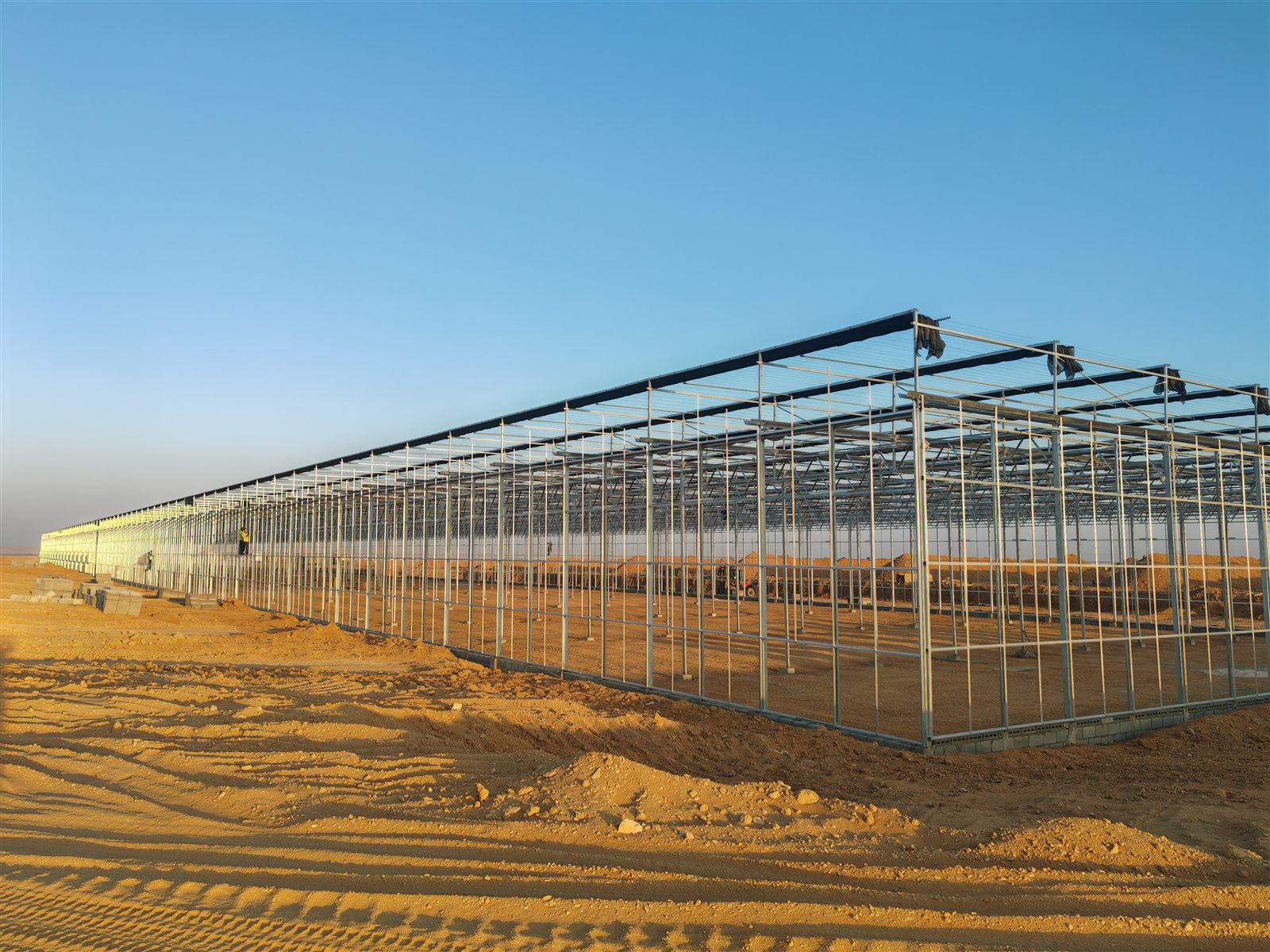
Unmanned intelligent greenhouse, under construction
An unmanned intelligent greenhouse under construction in Al Ghat, Saudi Arabia — designed to grow leafy greens with robots, computer vision and a digital platform in one of the world's harshest climates.
Project Overview
| Project | Ghat Farm unmanned intelligent greenhouse |
| Location | Al Ghat, Saudi Arabia |
| Start | November 2025 |
| Project phase | Under construction; approaching operational commissioning |
| Role | iHavos — intelligent agriculture solution provider and turnkey contractor |
Background
The project aligns with Saudi Vision 2030, which puts agricultural modernisation, food security and water conservation among its priorities. Ghat Farm is intended to test a sustainable model for arid Middle Eastern agriculture.
The client's requirements: local, large-scale vegetable production in extreme heat; a major cut in agricultural water use; less dependence on manual labour; and a digital production management system that can be replicated elsewhere.
Scope of Work
A greenhouse solution tailored to Saudi heat and drought, iterated against global project experience, with core equipment designed and manufactured in-house.
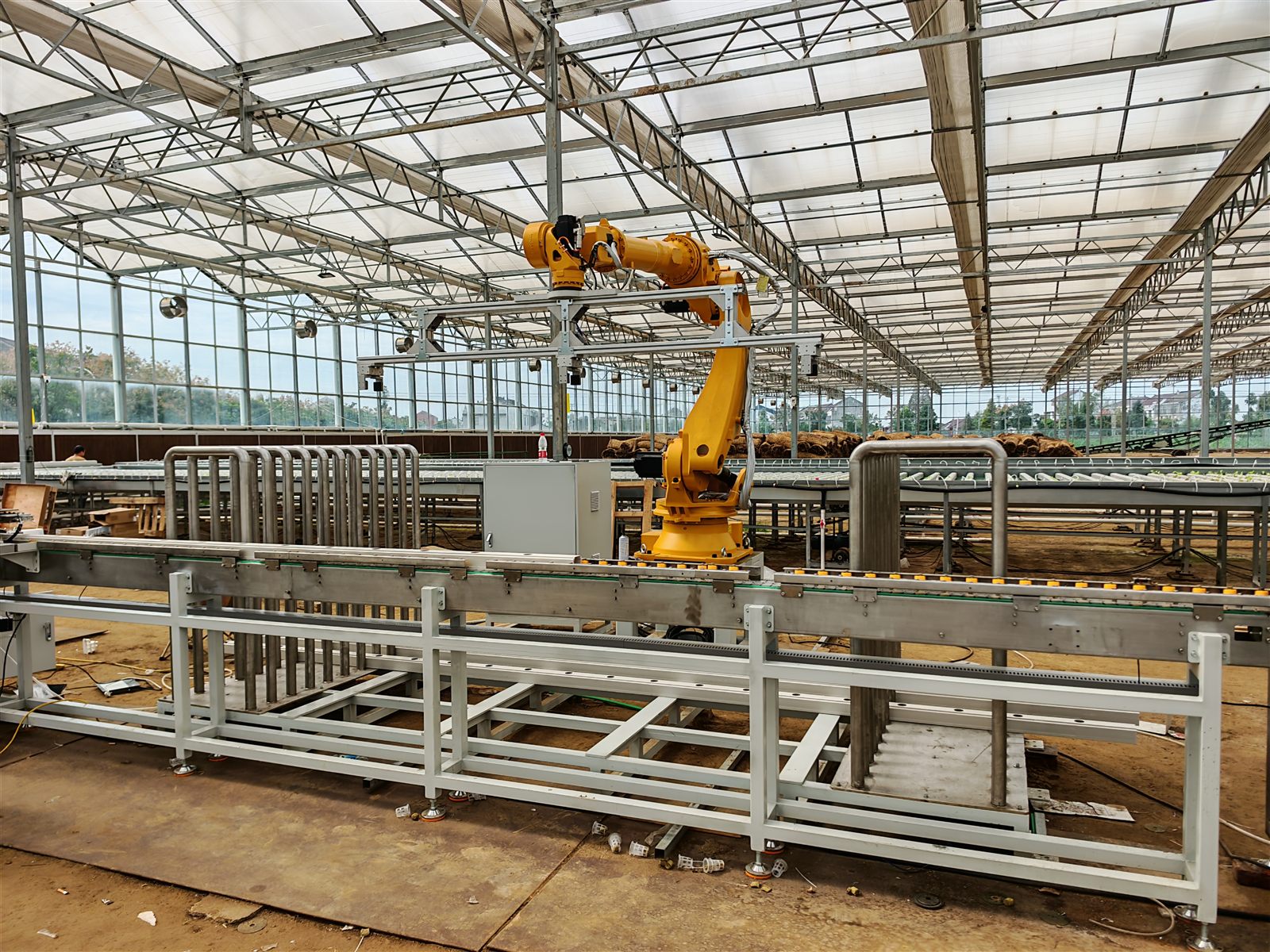
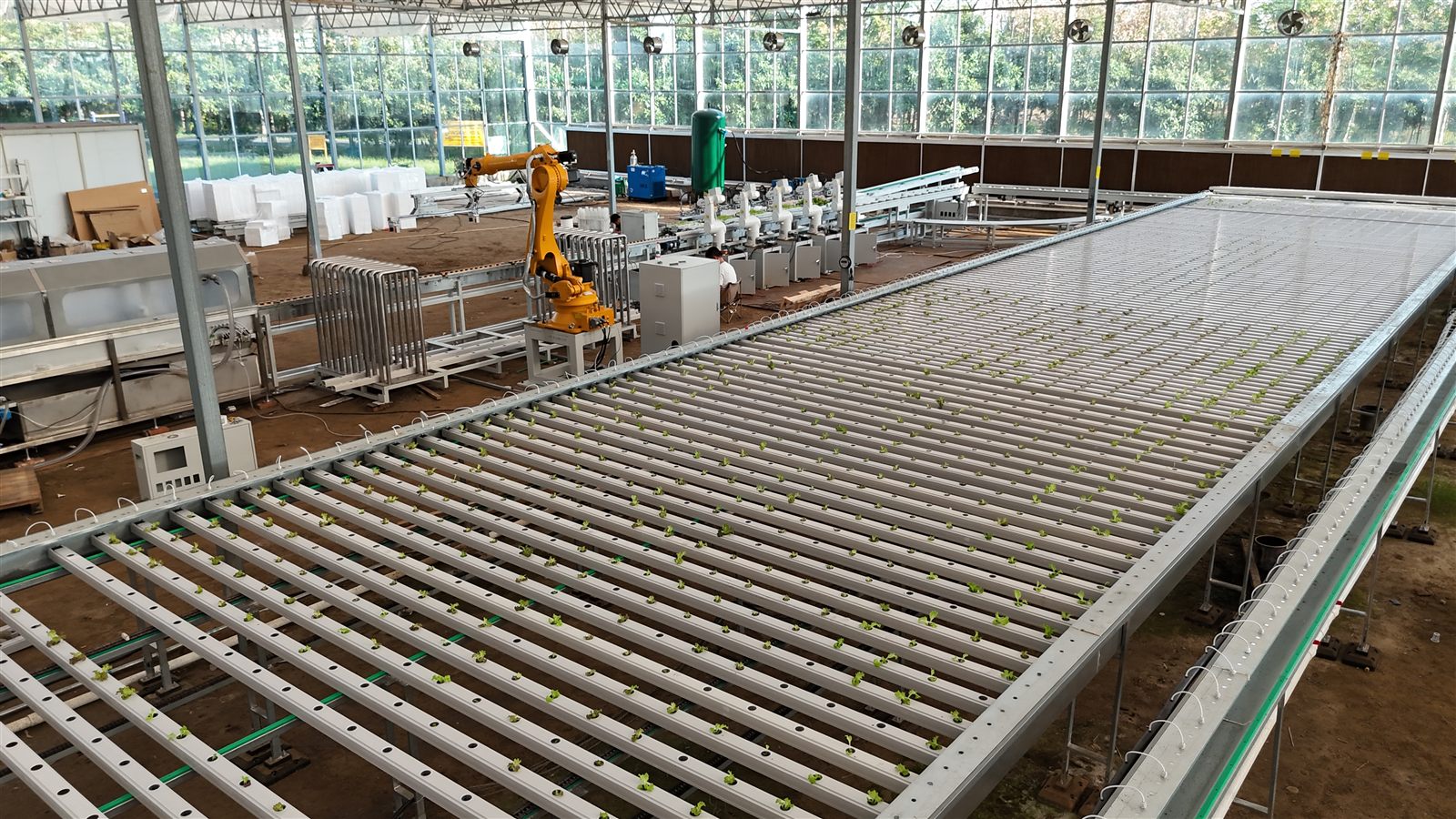
Fully automatic leafy-green equipment, robotic arms, computer vision, a digital management platform, high-efficiency cooling, closed-loop drip irrigation and an environmental sensor network.
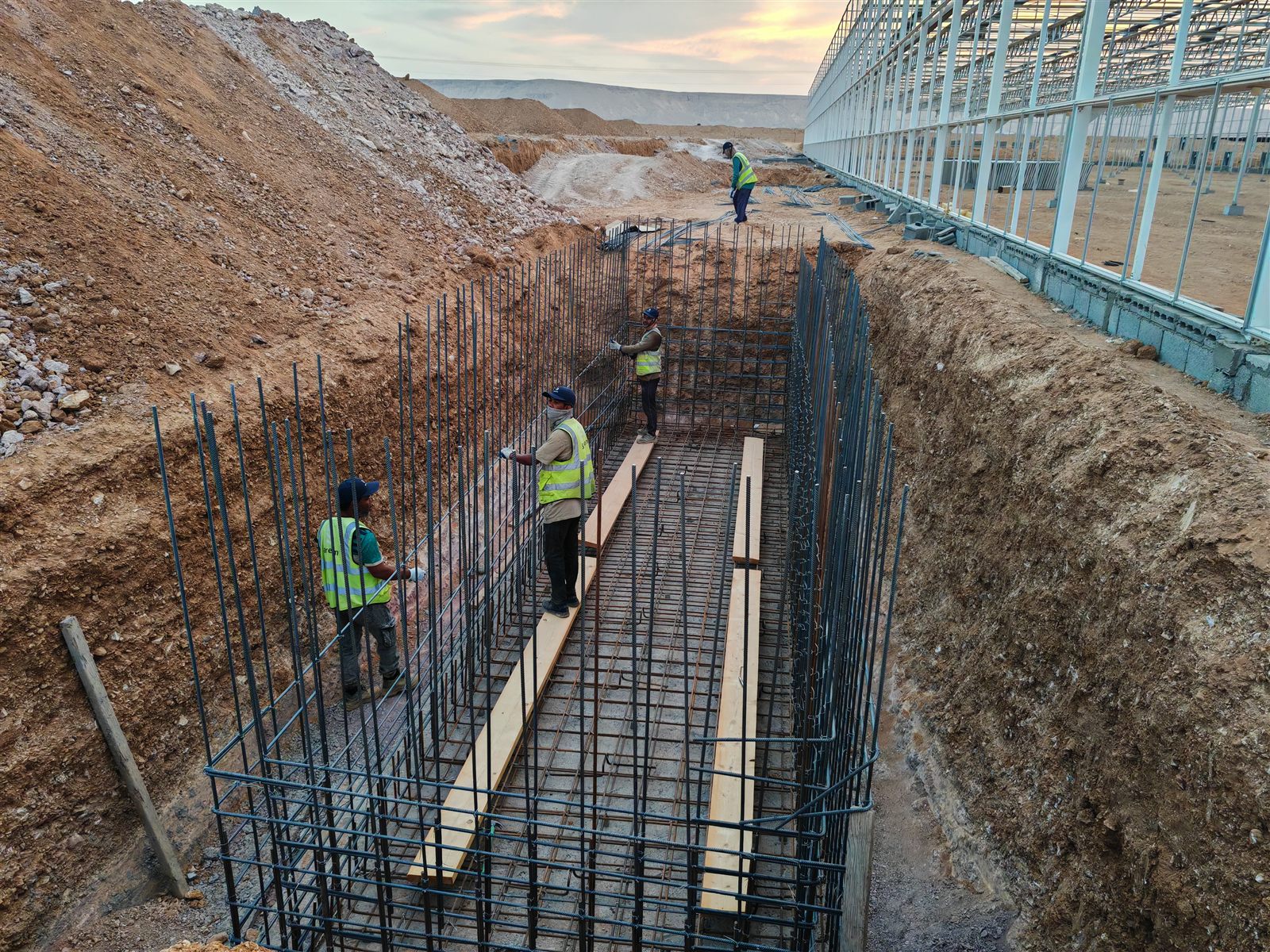
Manufacturing, construction and installation of the greenhouse, plus integration and commissioning of all subsystems as one operating system.
Training for the local operating team, development of local agricultural technicians and ongoing technical support.
Technology
The system is designed to run from sowing to harvest with minimal manual intervention.
Adaptive grippers handle seeds, seedlings and mature leaves across sowing, transplanting, pruning, thinning, nutrient application and harvesting. Working with computer vision, the arm selects only plants that meet quality standards and adjusts its operation from live data.
HD camera arrays and AI image analysis monitor crop growth and health, detect early signs of pests and disease, assess nutrition and identify maturity for selective harvest.
Systems
Evaporative cooling plus precise ventilation; the target is 20–25°C inside when outside exceeds 45°C. High-transmittance, UV-resistant film protects the crop without overheating the house.
Water and nutrients go directly to the root zone; real-time soil-moisture sensors adjust supply. The design targets up to 90% water savings versus conventional irrigation.
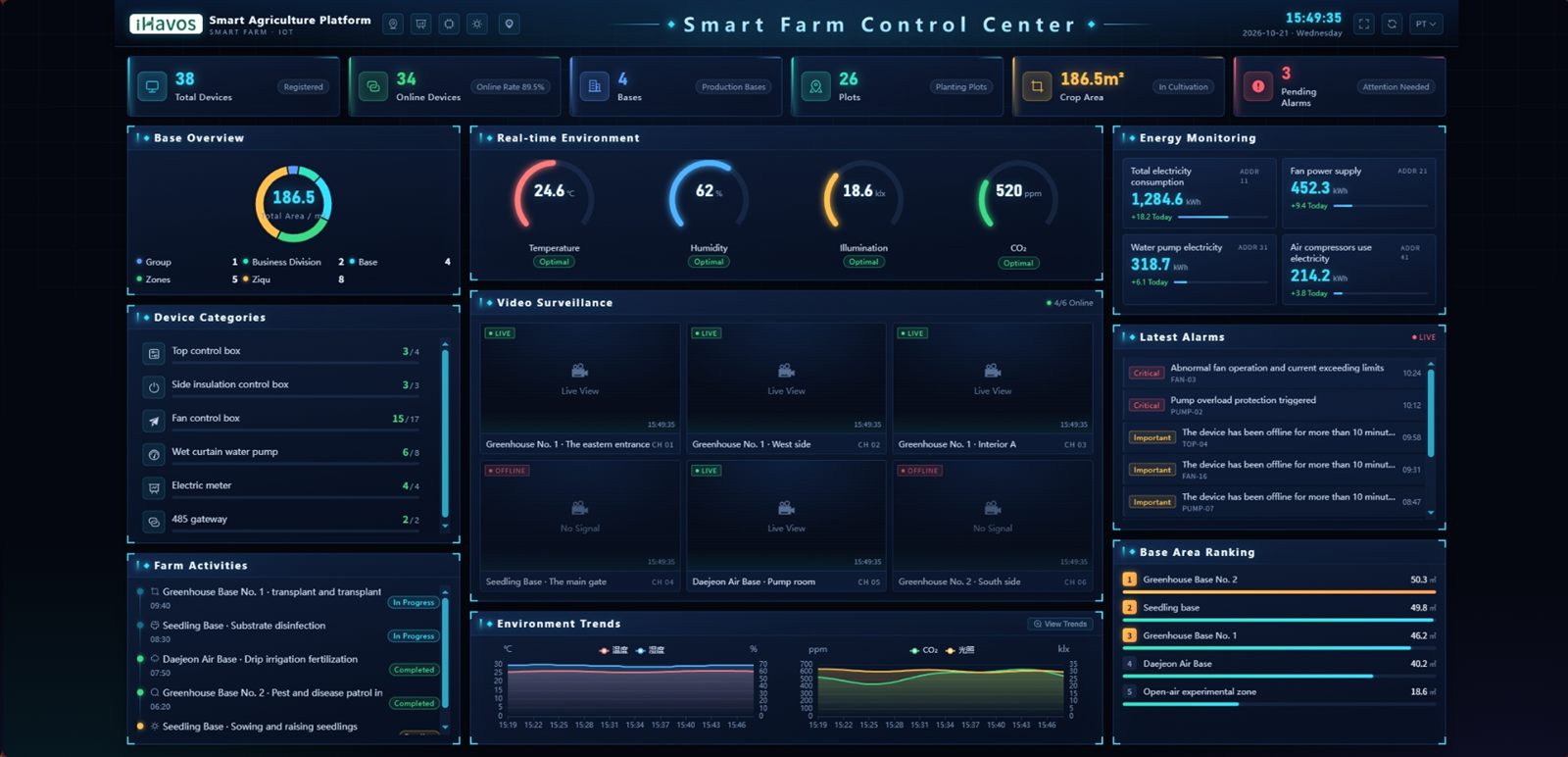
24/7 remote monitoring of temperature, humidity, light, CO₂, substrate moisture and crop indicators; automatic responses when parameters drift; data analysis and harvest planning.
Implementation
Robotic sowing with uniform density and precise placement.
Temperature and humidity are controlled for uniform germination.
Computer vision monitors the crop; water and nutrients are supplied on demand; the robot assists with pruning and thinning.
Vision identifies maturity; the robot harvests selectively for consistent quality.
The digital platform records the whole process and supports remote management and decision-making.
Expected Performance
Figures below are design targets; actual performance will be validated during commissioning and operation.
The project is under construction and approaching commissioning. It is intended to become a reference for unmanned intelligent greenhouses in arid regions.
Talk to us about climate, crops, automation level and site conditions. We can assess the right configuration for your project.
